

Mental Health and HIV
Recognize emotional strain and find support that fits your situation.
Read the guideUnderstand HIV. Explore your options.
Find a place to start.
Independent information, grounded in public health sources. Our editorial approach

Recognize emotional strain and find support that fits your situation.
Read the guide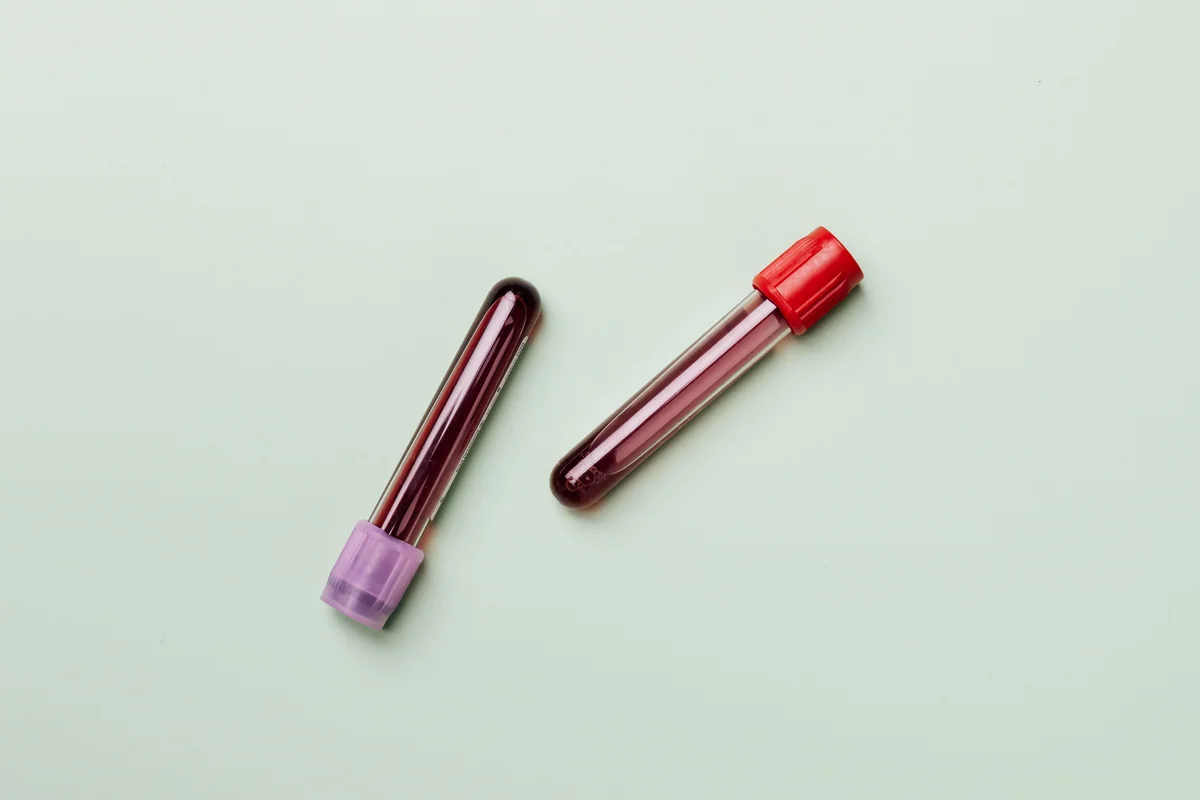
Compare HIV test types, samples, and usual detection windows to prepare for a testing visit.
Read the guide
Map the cost of visits, labs, and medicines and find possible sources of help.
Read the guideYou do not need to have every answer today. Choose the information that helps with the question in front of you.
Understand what HIV is, how it is transmitted and why testing matters.
Get the basicsExplore test types, timing and what to do with your result.
Understand HIV testingLook for HIV care, testing or PrEP services at a specific location.
Explore the care directoryStraightforward, sourced guides for understanding HIV and navigating care.
Browse all guidesLearn what HIV is, how it affects the body and how it is transmitted. Understand why symptoms cannot confirm HIV and what testing can tell you.
Learn how HIV tests differ, when testing can detect an infection, what results mean, and how to find testing and follow-up care in the United States.
Compare HIV prevention options, including PrEP, PEP and condoms. Find guidance for discussing protection, testing and possible recent exposure with a care team.
Understand HIV medicines, starting treatment, viral suppression and lab results. Prepare questions about daily routines, side effects and ongoing care.
Find HIV information for relationships, mental health, pregnancy, aging and daily life, with practical ways to discuss your needs and seek support.
Find an HIV care provider, prepare for a visit and explore insurance, Ryan White and ADAP assistance. Learn what to ask about costs and eligibility.
A new HIV diagnosis can bring a lot of questions. Treatment and ongoing care can help you protect your health. You can take the first steps with support.
Read the starting treatment guide
Explore actual service locations in 30 cities, with state resources for finding care elsewhere. Listings distinguish HIV care, testing and PrEP.
Outside these cities? Use the official HIV.gov services locator . A directory listing does not confirm current appointment availability.
Evergreen information, with sources and dates you can check.

Understand state-administered ADAP eligibility and the steps to ask about medicine assistance.
Read the guide
Prepare for changing health, practical needs, and social support as you age.
Read the guide
Turn daily obstacles into specific requests while keeping control of what you share.
Read the guideYou deserve clear information. Our guides explain these answers in more detail and link to their sources.
Explore HIV basicsNo. Symptoms cannot confirm or rule out HIV. The only way to know your HIV status is to get tested. The right time to test depends on the test type and when a possible exposure happened.
Read about testing and timingYes. Antiretroviral therapy, or ART, treats HIV by reducing the amount of virus in the body. Starting treatment and continuing care can help people with HIV live long, healthy lives. A healthcare professional can help choose the right treatment.
Understand HIV treatmentIt means the amount of HIV in the blood is too low for a viral load test to detect. People who take HIV treatment and get and keep an undetectable viral load do not transmit HIV through sex. This is known as U=U: undetectable equals untransmittable.
Read about viral load and U=UPrEP is medicine used before exposure to help prevent HIV. PEP is emergency medicine after a possible exposure and must be started within 72 hours; the sooner, the better. If you may need PEP, contact a healthcare professional, urgent care or an emergency department now.
Explore PrEP and PEPHelp may be available through insurance, the Ryan White HIV/AIDS Program and state medication assistance programs. Eligibility and support vary. A clinic case manager or benefits counselor can help you check your options.
Explore help with care and costsNo. Our listings summarize official website information checked on the date shown. Hours, fees, eligibility, services and openings can change. Contact the specific location before traveling or making care decisions.
Find provider contact detailsWhen you are ready, explore a place to get testing, prevention or care.